
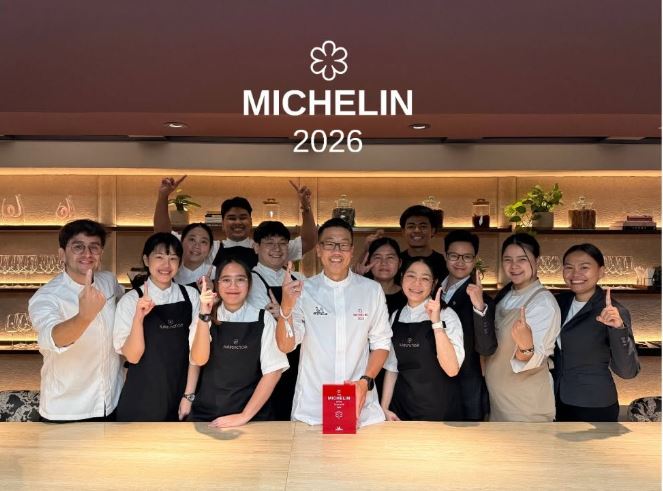
Tucked within the leafy enclave of Sukhumvit 49 in Watthana, the frenetic pulse of Bangkok softens into a whisper. Here, within the minimalist precincts of the Town Hall complex, sits Juksunchae—the trailblazing dining room that etched its name into history as Bangkok’s first Korean restaurant to earn a coveted MICHELIN star.
Inside, an intimate 12-seat counter sculpted from Italian marble wraps around an open kitchen. Antique Korean porcelain vases and traditional onggi earthenware—the porous ceramic vessels central to Korean fermentation—quietly anchor the space. At the center stands Chef Henry Lee, welcoming guests with the warmth of an old friend and the precision of a master craftsman.
The restaurant’s philosophy is woven into its name: juksun (죽순), meaning bamboo shoot, and chae (채), the culinary art of finely julienning. In the royal court kitchens of Korea’s Joseon Dynasty, young bamboo shoots were revered as symbols of purity and resilience. Preparing them required extraordinary skill; harvested even slightly late or handled without delicate care, they turned bitter and tough. Only the monarch’s finest chefs could draw out their subtle sweetness and tender texture.
At Juksunchae, this royal heritage becomes a culinary framework. Across a multi-course tasting menu (priced at THB 4,190++), Chef Lee and his team deconstruct classical Korean flavor memories—fermented pastes, charcoal grilling, and royal banquets—rebuilding them through modern technique and contemporary presentation.
Sochan (소찬): First Offerings
The meal begins with Sochan, the first offerings that set a refined, multi-textured tone.
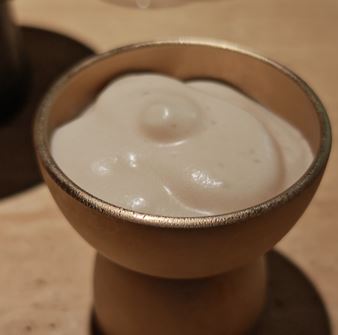
Perilla | Jangajji (깻잎장아찌)Chicken Skin | Yangnyeom Chicken (양념치킨)Beef | Yukhoe (육회)Porridge | Yulmu Juk (율무죽)
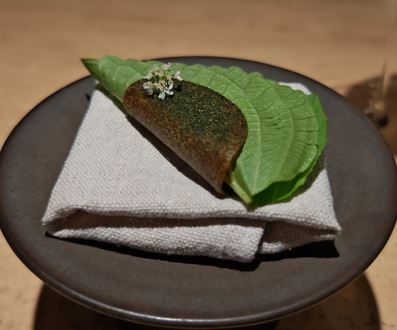
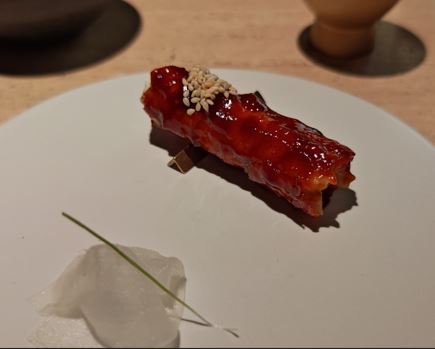
The opening bite celebrates Perilla Jangajji. Fermented perilla leaves, aged in seasoned soy until their herbal brightness yields a complex umami finish, awaken the palate. Next is an inventive interpretation of a modern Korean staple: Yangnyeom Chicken Skin. Reinterpreting Korea’s beloved street-food culture, crisp, rendered chicken skin is glazed in a sweet, spicy, and garlicky gochujang reduction, delivering crunch and depth.
This is followed by Beef Yukhoe, Korea’s traditional beef tartare. Cut from pristine, marbled beef, the meat is seasoned with cold-pressed sesame oil, subtle soy, and crisp pear, arriving as a delicate, jewel-like bite that melts across the tongue.
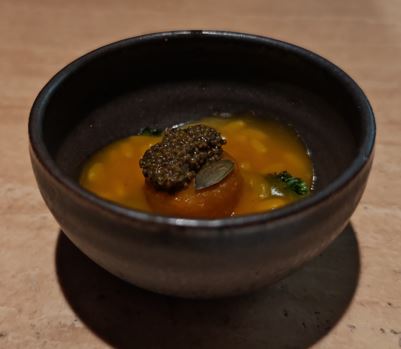
The sequence concludes with Yulmu Juk, a comforting bowl of warm Job’s tears (coix seed) porridge. Silky, nutty, and gently earth-toned, the porridge coats the stomach, warming the diner and signaling the transition to the deeper courses ahead.
Sukseong (숙성): The Art of Maturation
The second movement, Sukseong, explores fermentation, aging, and seafood.
Scallop | Mulhoe (물회)Soy Bean | Doenjang (된장)Clam | Sundubu Jjigae (순두부찌개)Rice Table | Yeonnip-Bap (연잎밥)
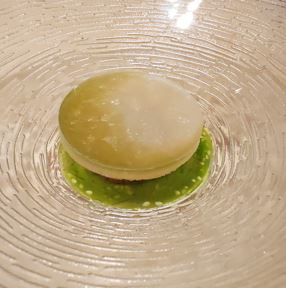
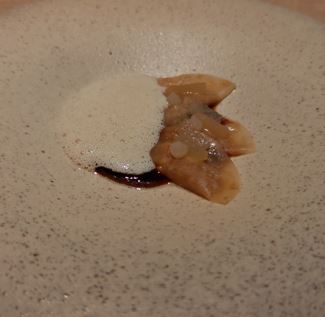
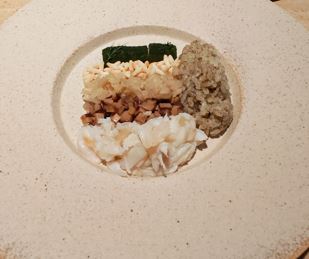
First arrives Scallop Mulhoe, a refined play on the chilled raw fish soup enjoyed along Korea’s eastern coastline. Plump, sweet scallops are thinly sliced and bathed in a vibrant, chilled broth tinted with fermented red pepper, aged vinegar, and ice shavings. The contrast of sweet shellfish against biting, icy acidity creates an electric, refreshing sensation.
From the cool sea, the kitchen pivots to the funk of the cellar with Doenjang. Rather than treating fermented soybean paste merely as a background seasoning, Chef Lee elevates it to the main feature, presenting its savory, earthy depth alongside balanced textures that soften its assertiveness without diluting its character.
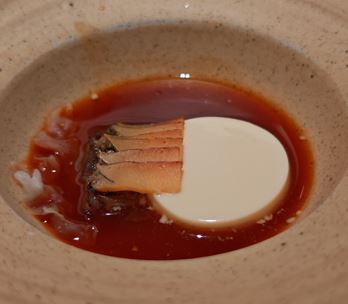
Next is Clam Sundubu Jjigae. In place of a rustic, bubbling cauldron, Juksunchae delivers an elegant deconstruction: freshly curdled soft tofu floating in a clear clam broth infused with chili oil and coastal brine. The natural sweetness of local clams balances the gentle warmth of the chili, leaving a lingering savory finish.
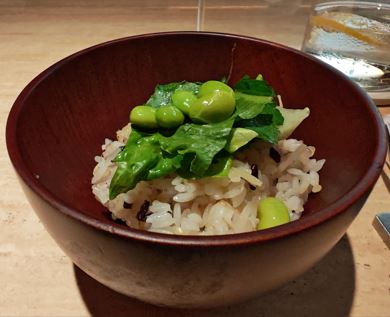
The chapter closes with Yeonnip-Bap, a traditional temple-style rice parcel steamed inside a lotus leaf. Unfurling the fragrant green leaf releases an herbaceous aroma, revealing glutinous grains infused with medicinal botanicals, seeds, and nuts. Eaten warm, it grounds the palate and marks the bridge to the main table.
Jungsang (중상): The Main Table
The pinnacle of the evening arrives with Jungsang, the substantial centerpiece of the royal feast.
Arctic Char | Jang-gui (장구이)Duck | Ori Jangjorim (오리장조림)Snowy Night Galbi | Seolyameokjeok (설야멱적)
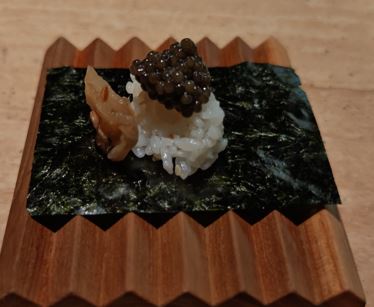
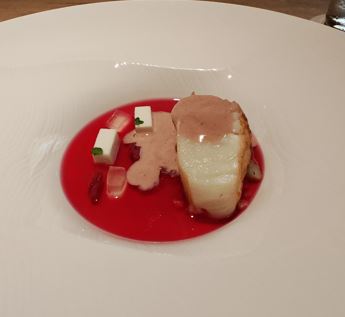
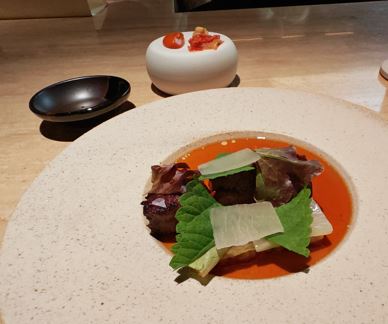
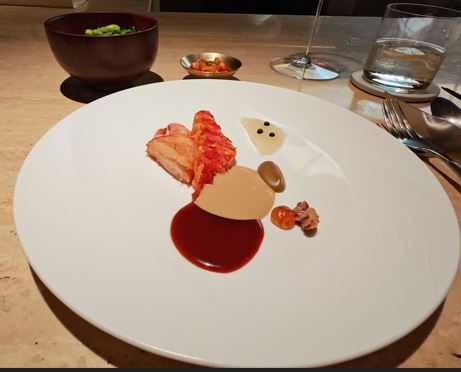
The seafood course features Arctic Char Jang-gui. Sourced with care and pan-seared until its skin crackles, the pink-fleshed fish is glazed with an artisanal jang marinade. The fish flakes beneath the fork, its natural oil cut through by the sweet, savory glaze.
Duck follows in the form of Ori Jangjorim. Traditionally a home-style braised beef dish served cold as banchan, Chef Lee elevates the concept using tender duck breast slow-simmered in seasoned soy. The duck retains a blush-pink center, surrounded by an aromatic braising liquor redolent of ginger, garlic, and wild herbs.
The crescendo of the savory journey is Seolyameokjeok, or “Snowy Night Galbi”. Rooted in centuries-old court folklore, this legendary dish recreates an ancient winter cooking ritual where marinated beef skewers were grilled over glowing charcoal embers, dipped repeatedly into cold winter snow or chilled water to contract the meat fibers, and finished over the fire to produce an exceptionally tender texture.
At Juksunchae, the galbi arrives glistening with smoke and fire. The beef gives way with minimal resistance, its rich fat balanced by charred soy and sweet garlic notes. It is a masterclass in meat cookery—a historical recipe given new life in tropical Southeast Asia.
Husik (후식): The Sweet Resolution
After the savory crescendo, the transition to dessert (Husik) reflects restraint, celebrating agricultural rhythms and classic confectionery.
Seasons of the Soybean: Rain | Bi-Giuje (비 - 기우제)Honey Butter | Tteok (떡)
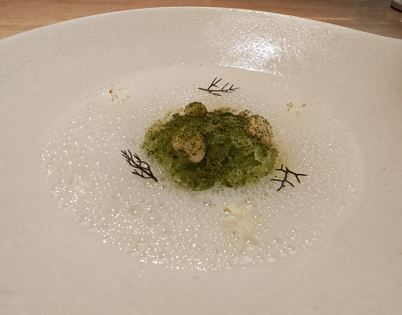
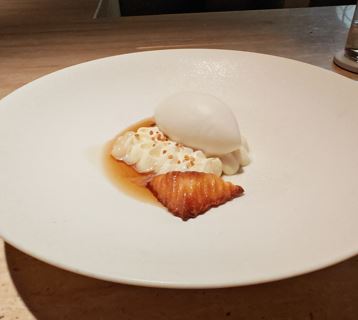
The first sweet course, Seasons of the Soybean: Rain (Bi-Giuje), takes inspiration from ancient Korean rain-praying rituals. Crafted using varying extractions of soybean—from light soy milk foam to roasted bean powder (injeolmi)—the dish plays with temperature and texture. Nutty, savory, and delicately sweet, it honors the ingredient that anchors Korean culinary identity.
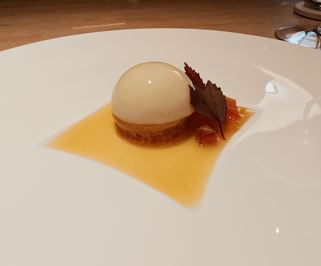
Next comes Honey Butter Tteok, a contemporary homage to Korea’s modern love affair with savory-sweet honey butter glazes. The rice cake is toasted to order until the exterior is brittle and golden while the interior stays chewy and pillowy (kkom-ddeok). Coated in wild honey and browned cultured butter, it bridges street-food comfort and fine-dining pastry.
Jeong (정): The Warmth of Hospitality
The meal concludes in the spirit of Jeong—the Korean concept of affection, empathy, and hospitality that connects host and guest.
Hangwa (한과)Cha (차)
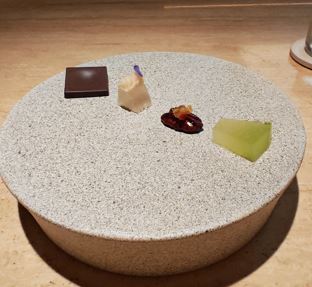
A wooden lacquer tray carries a selection of Hangwa, traditional Korean confections crafted from rice flour, honey, and sesame seeds. Crisp, light, and melting on the tongue, they are accompanied by a bowl of freshly brewed Cha (traditional tea). The tea washes over the palate, providing a calming close to a bold dinner.
A Compelling Voice in Asian Fine Dining
What Chef Henry Lee has accomplished at Juksunchae is rare. Rather than diluting Korean flavors to suit international tastes, he leans into their distinct profiles—bold fermentations, aged pastes, cold soups, and charcoal smoke—and executes them with refined technique.
Supported by beverage pairings (available in a 6-glass pairing for THB 2,900++ or a 9-glass pairing for THB 3,500++ spanning artisanal wines and Korean brews), the pacing is balanced and unhurried. In an energetic culinary capital like Bangkok, Juksunchae delivers an essential, poetic dining experience—a thoughtful dialogue between Joseon Dynasty royal tradition and contemporary creativity.
Dining Details
- Restaurant: Juksunchae (1 MICHELIN Star)
- Location: Town Hall Sukhumvit 49, Khlong Tan Nuea, Watthana, Bangkok 10110, Thailand
- Tasting Menu: THB 4,190++ per person
- Beverage Pairings: 6 Glasses at THB 2,900++ | 9 Glasses at THB 3,500++
- Tax & Service: Subject to 10% service charge and 7% government tax

